


Building a strong brand identity is one of the most important investments you can make in your business. It's not just about having a nice logo or a catchy tagline—it's about creating a cohesive experience that resonates with your audience and sets you apart from competitors.

What is Brand Identity?
Brand identity is the collection of all elements that a company creates to portray the right image to its consumer. It's how your business presents itself to the world and how customers perceive your company.
Think of your brand identity as your business's personality. Just like people, businesses have unique characteristics that make them memorable and relatable. Your brand identity encompasses everything from your visual elements to your messaging tone.

Key Elements of Brand Identity
A comprehensive brand identity includes several key components that work together to create a memorable impression:
1. Logo Design
Your logo is often the first thing people notice about your brand. It should be memorable, scalable, and reflective of your brand's personality. A well-designed logo works across all mediums—from business cards to billboards.
2. Color Palette
Colors evoke emotions and associations. Choose a color palette that aligns with your brand values and appeals to your target audience. Research shows that color can increase brand recognition by up to 80%.

3. Typography
The fonts you use contribute significantly to your brand's personality. Whether modern and sleek or traditional and elegant, your typography should be consistent across all materials. Typography affects readability and sets the tone for your messaging.
4. Brand Voice
How you communicate matters just as much as what you communicate. Your brand voice should be consistent across all channels and touchpoints. Are you professional and authoritative, or friendly and conversational? Define this early.
Building Your Brand Identity: A Step-by-Step Guide
Step 1: Define Your Brand Strategy
Before diving into design, understand your mission, values, target audience, and competitive landscape. This foundation will guide all your branding decisions. Ask yourself: What makes us different? What value do we provide? Who are we serving?
Step 2: Design Your Visual Elements
Work with professional designers to create a logo, color palette, and typography system that reflects your brand strategy. Don't rush this process—good design takes time and iteration.

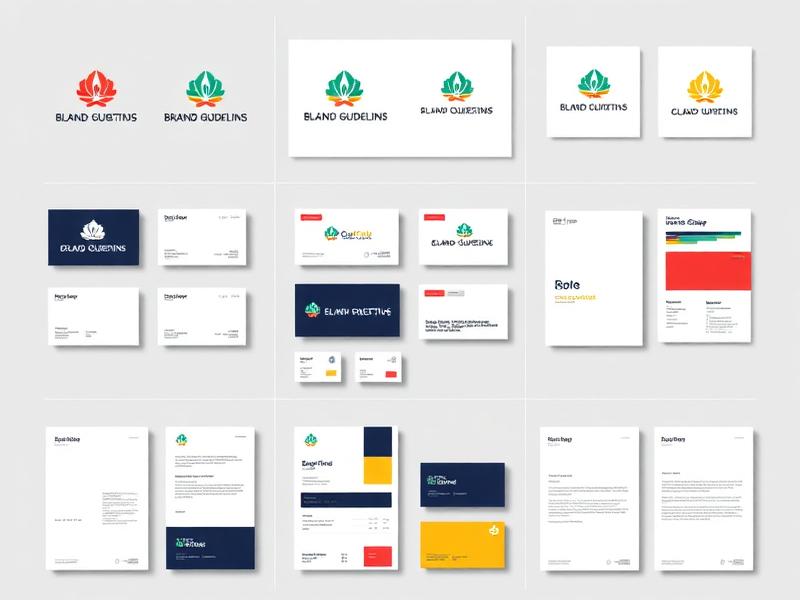
Step 3: Create Brand Guidelines
Document how your brand elements should be used. This ensures consistency as your business grows. Your brand guidelines should cover logo usage, color codes, typography rules, imagery style, and tone of voice.
Step 4: Apply Consistently
Use your brand identity consistently across all touchpoints—website, social media, packaging, and more. Consistency builds recognition and trust with your audience.
Common Mistakes to Avoid
When building your brand identity, watch out for these common pitfalls:
- Following trends too closely instead of creating something timeless
- Being inconsistent with brand application
- Ignoring your target audience's preferences
- Copying competitors instead of differentiating
- Trying to appeal to everyone instead of your target market
Conclusion
A strong brand identity is an invaluable asset that can significantly impact your business success. By investing time and resources into developing a cohesive brand identity, you'll create lasting connections with your audience and stand out in a crowded marketplace.
Remember, building a brand is a journey, not a destination. Your brand identity should evolve with your business while maintaining its core essence. Start with a solid foundation, apply it consistently, and watch your brand grow into something truly memorable.